
The Evolution of Land Warfare: From Tanks to Drones and Beyond
The landscape of land warfare has undergone a seismic shift, a transformation driven by relentless technological advancement and evolving strategic doctrines. From the lumbering behemoths of the early 20th century to the agile, networked systems of today, the battlefield has become a dynamic, ever-changing arena. This evolution, marked by innovation and adaptation, continues to reshape how conflicts are fought and won.
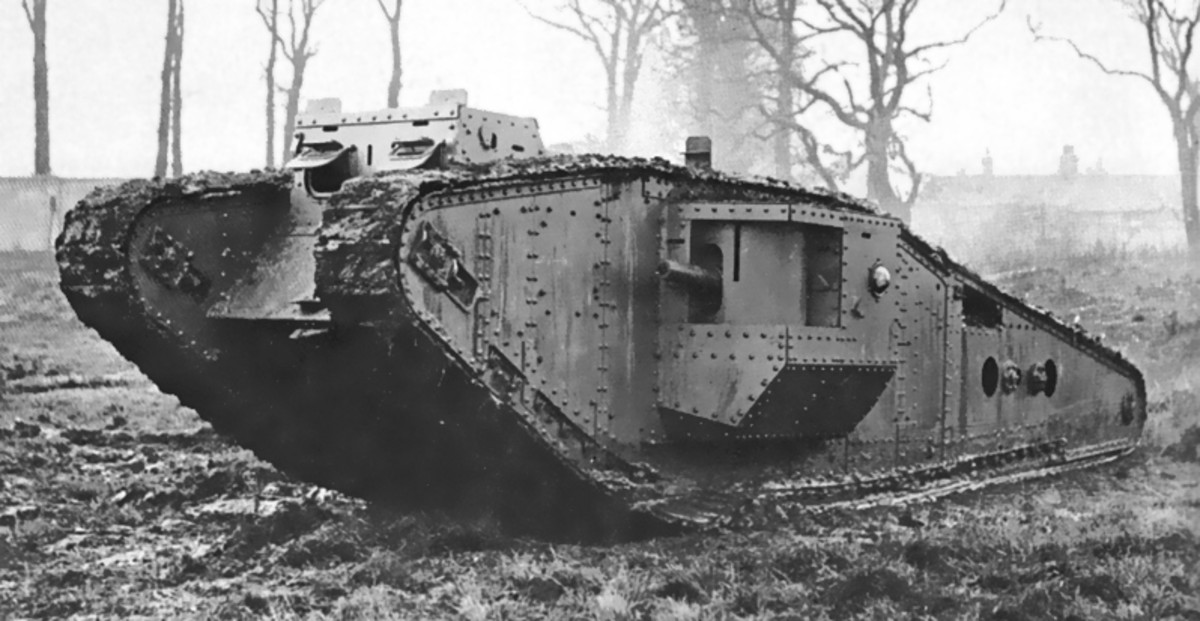
The Age of the Tank: Steel Titans and Trench Warfare 🛡️, Breaking the Stalemate
The First World War, with its brutal trench warfare, spurred the development of the tank, a steel titan designed to break the stalemate. These early tanks, though rudimentary, heralded a new era of mechanized warfare, offering firepower, protection, and mobility on the battlefield. The tank became a symbol of military might, a force capable of shattering enemy lines and dictating the pace of combat.
Mechanized Warfare: Blitzkrieg and Beyond 🚗, Speed and Maneuver
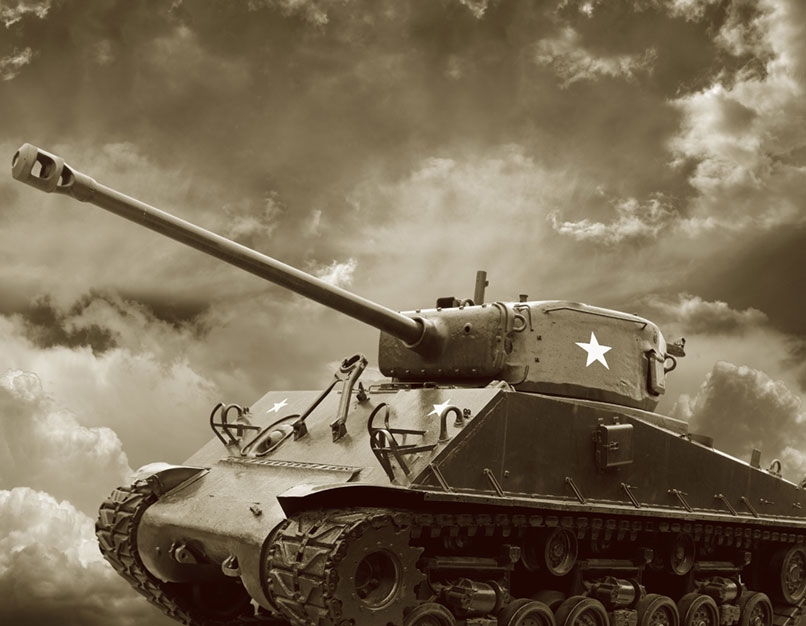
The Second World War witnessed the rise of mechanized warfare, with tanks, armored vehicles, and motorized infantry forming the core of military operations. The German Blitzkrieg, a lightning-fast offensive strategy, demonstrated the devastating potential of mechanized forces, emphasizing speed, maneuver, and coordinated firepower. This era saw the refinement of tank technology, with improved armor, weaponry, and engines, transforming the battlefield into a theater of rapid movement and decisive engagements.
The Cold War: Nuclear Threat and Asymmetric Warfare ❄️, A New Era of Conflict
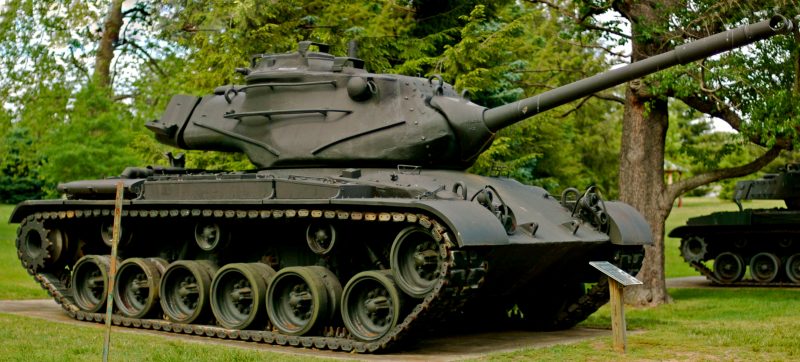
The Cold War introduced a new dimension to land warfare, with the specter of nuclear weapons looming large. Conventional forces remained crucial, but the focus shifted towards deterrence and limited conflicts. The rise of asymmetric warfare, characterized by guerrilla tactics and unconventional strategies, challenged traditional military doctrines. The Vietnam War, for example, highlighted the limitations of conventional forces in counterinsurgency operations.
The Digital Revolution: Networked Warfare and Precision Strikes 🌐, Information Dominance
The digital revolution transformed land warfare, introducing networked systems, precision-guided munitions, and advanced surveillance technologies. Information dominance became a critical factor, with real-time data and situational awareness playing a decisive role. The Gulf War showcased the power of precision strikes and information warfare, demonstrating the ability to target enemy assets with unprecedented accuracy.
The Drone Age: Unmanned Systems and Remote Warfare 🚁, Changing the Face of Combat
The proliferation of drones has revolutionized land warfare, introducing unmanned systems capable of conducting reconnaissance, surveillance, and even combat operations. Drones offer increased flexibility, reduced risk to personnel, and the ability to conduct persistent surveillance. They have become an integral part of modern military operations, changing the face of combat and raising ethical considerations about autonomous weapons.
Beyond Drones: Emerging Technologies and the Future Battlefield 🤖, The Next Frontier
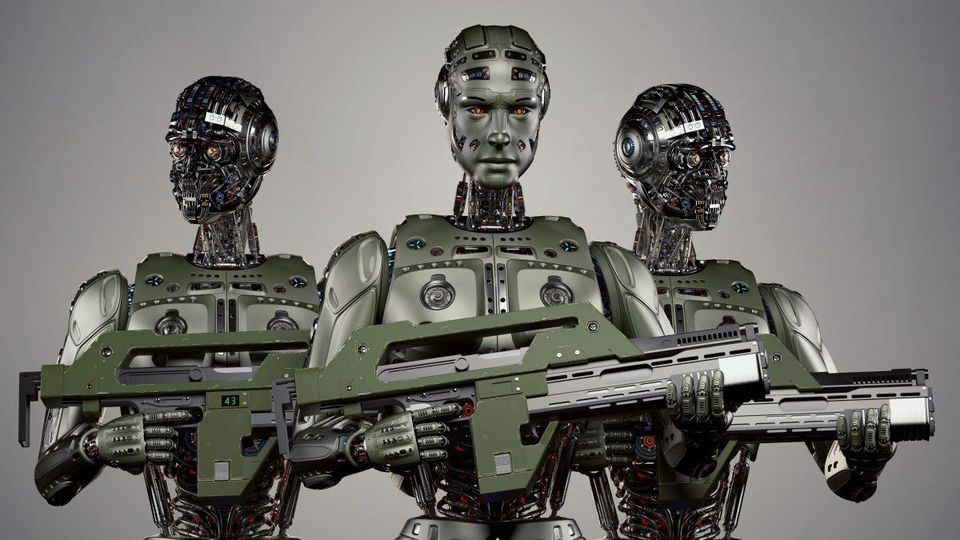
The evolution of land warfare continues, with emerging technologies like artificial intelligence, robotics, and directed energy weapons poised to reshape the battlefield once again. AI-powered systems could enhance decision-making, automate tasks, and even operate autonomously. Robotics could introduce new forms of combat platforms, while directed energy weapons could offer new capabilities for defense and offense. The future battlefield will likely be characterized by increased automation, networking, and the integration of diverse technologies.
The Human Element: Adapting to the Changing Battlefield 🧠, The Core of Warfare
Despite the technological advancements, the human element remains central to land warfare. Soldiers must adapt to the changing battlefield, mastering new technologies and developing new tactics and strategies. Training, leadership, and psychological resilience will continue to be crucial factors in determining success on the battlefield. The ethical considerations of new technology must be addressed by the humans who use them.
How do you envision the future of land warfare? What emerging technologies do you think will have the greatest impact? Share your thoughts and predictions below! 👇